
Young Artists Show 2026

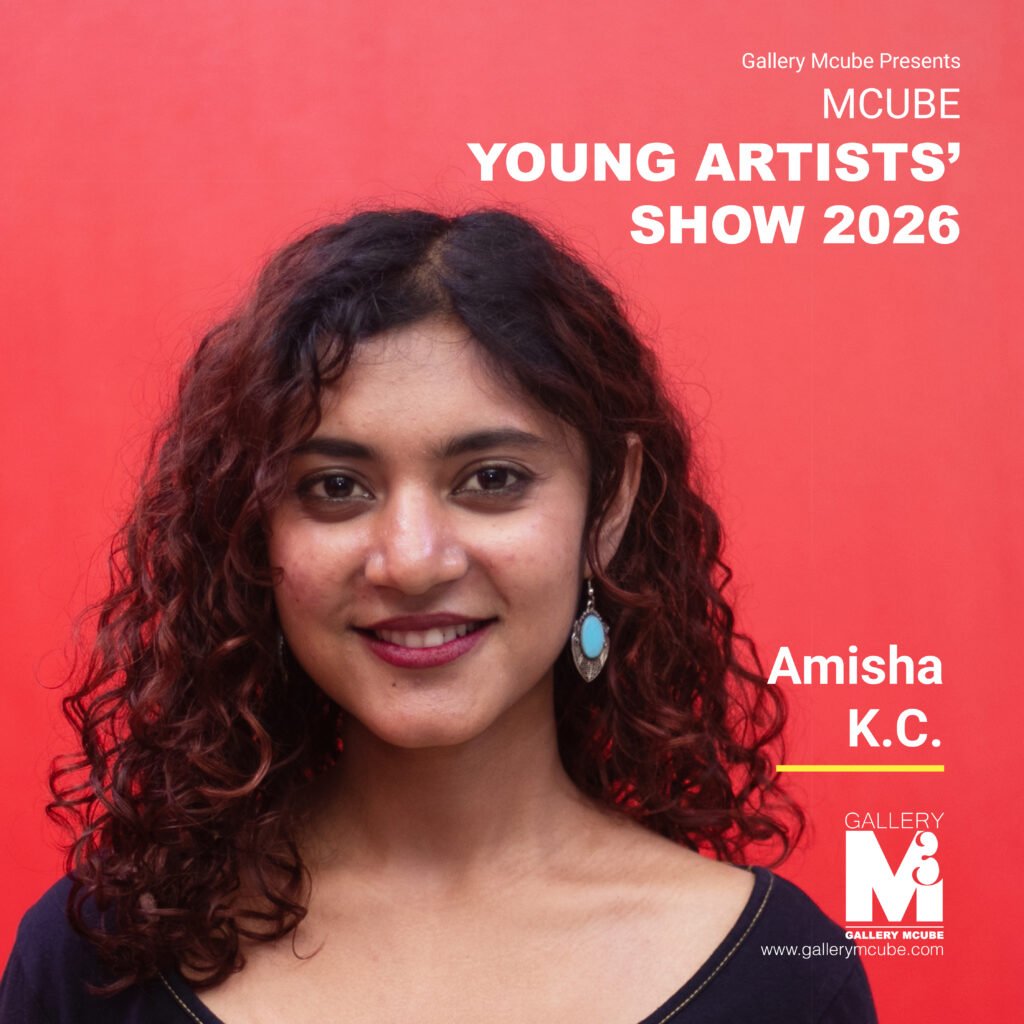
Amisha KC

amisha kc
Amisha K.C. is a visual artist whose practice explores political systems, power structures, governance, rights, and justice. Through her work, she reflects on how social and political forces shape human lives, examining the ways power, belief, and identity influence our everyday experiences. Working primarily with oil painting, Amisha creates thoughtful visual narratives that bring attention to subjects often left unspoken. A recent Fine Arts graduate from Kathmandu University School of Arts, Department of Art and Design, she represents a new generation of artists engaging critically with contemporary issues through art.

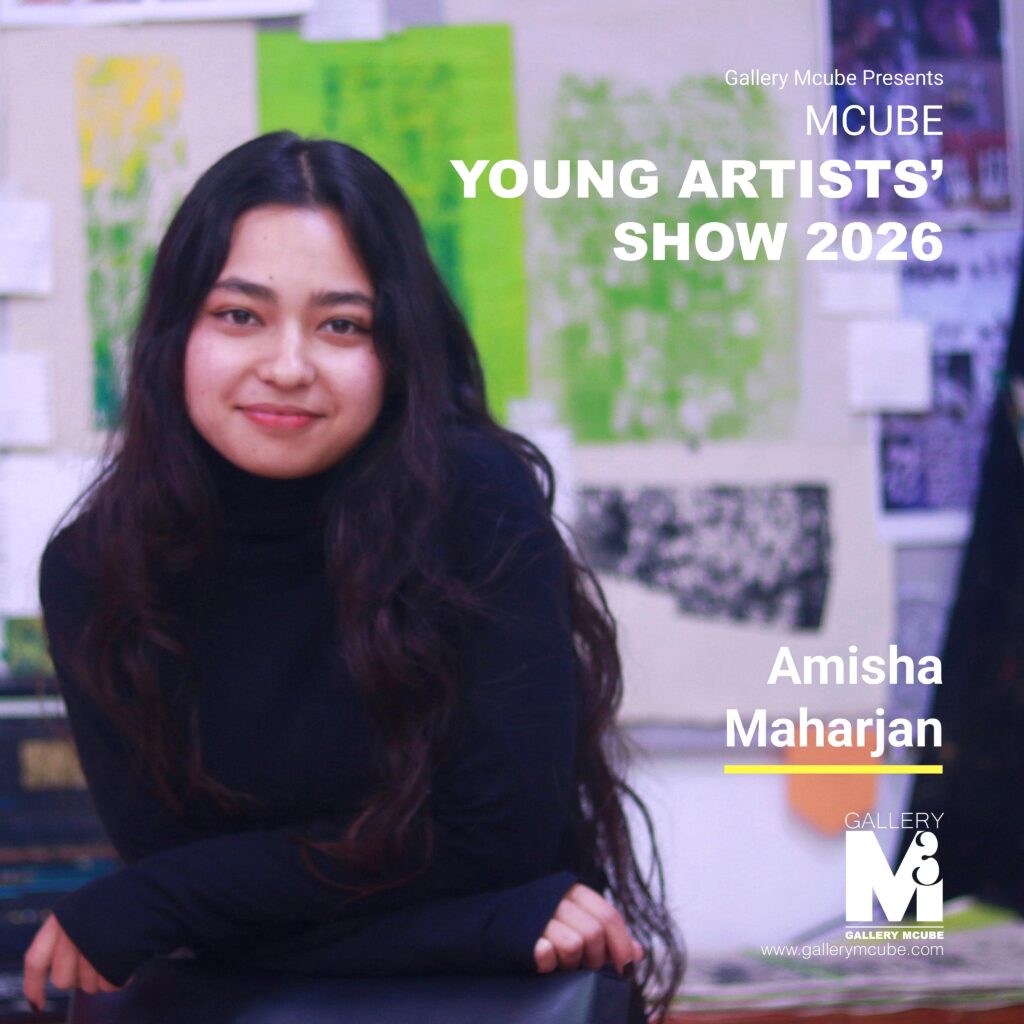
Amisha Maharjan

Amisha Maharjan
A graduate of Kathmandu University, School of Arts, Department of Art and Design, Amisha’s practice moves fluidly between textile crocheting, paper weaving, watercolor, pen and ink, installation, and mixed media. Guided by experimentation, she allows materials and processes to shape the outcome of her work, creating pieces that are both intuitive and thought-provoking. Through her artistic practice, Amisha explores the transformation of agricultural land and the changing relationship between people, tradition, and urban life in Nepal. By combining traditional craftsmanship with contemporary digital tools, she offers fresh perspectives on the social and cultural shifts shaping our communities today.

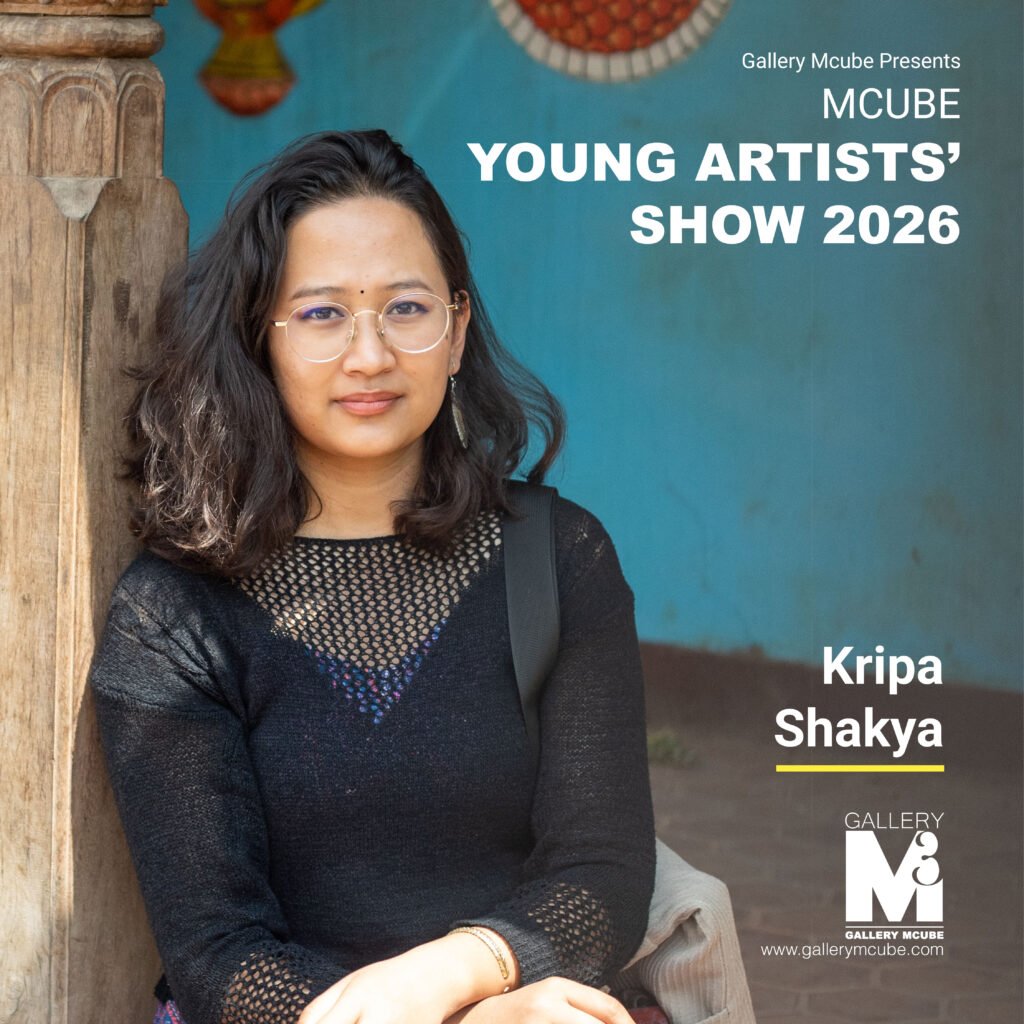
Kripa Shakya

Kripa
Kripa Shakya is a visual artist working across mixed media and photography. Her practice explores identity, human relationships, and the ways individuals are shaped by culture, environment, and personal experiences. Through her work, she reflects on memory, family dynamics, and intergenerational connections, examining how these influences shape a sense of self and belonging. A graduate of Kathmandu University School of Arts, Kripa draws inspiration from everyday life and diverse communities. Her artistic inquiry focuses on bridging generational gaps and fostering meaningful dialogue through art. Beyond her studio practice, she has actively engaged with communities, including facilitating photography workshops for young learners through the Mobile Library Fellowship Program. Through observation and storytelling, her work highlights resilience, empathy, and the potential for human connection, inviting viewers to reflect on the relationships and experiences that shape our lives.

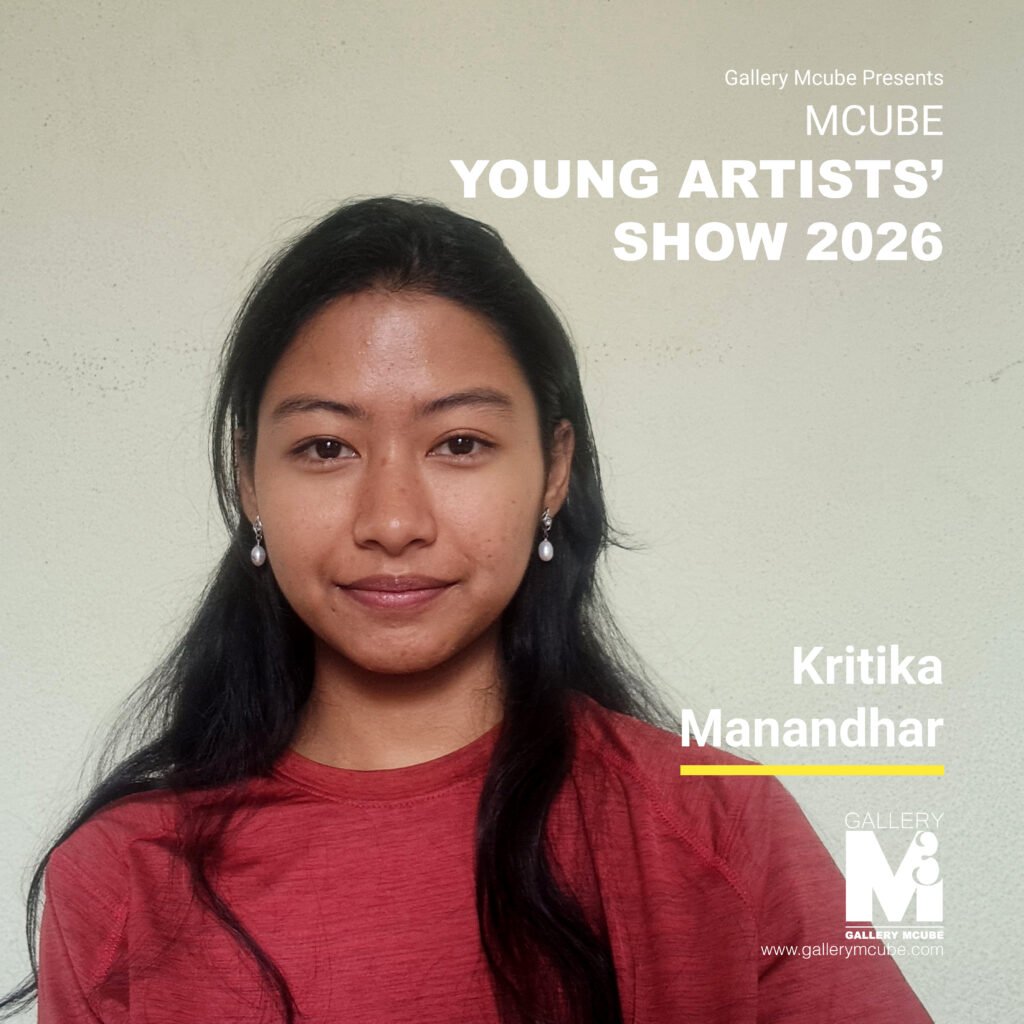
Kritika Manandhar

Kritika
An emerging visual artist working primarily with drawing and painting, Kritika explores human experiences and behaviors through themes of female experiences, interpersonal relationships, and inheritance. Her practice examines the connections between people and the materials that surround them, revealing traces of lived experiences and shared social and cultural histories. Through expressive lines infused with memory and personal reflection, she creates works that invite contemplation rather than offering fixed narratives. By focusing on the quiet details and subtle gestures of everyday life, Kritika encourages viewers to discover meaning within the ordinary and reflect on the complexities of human existence.

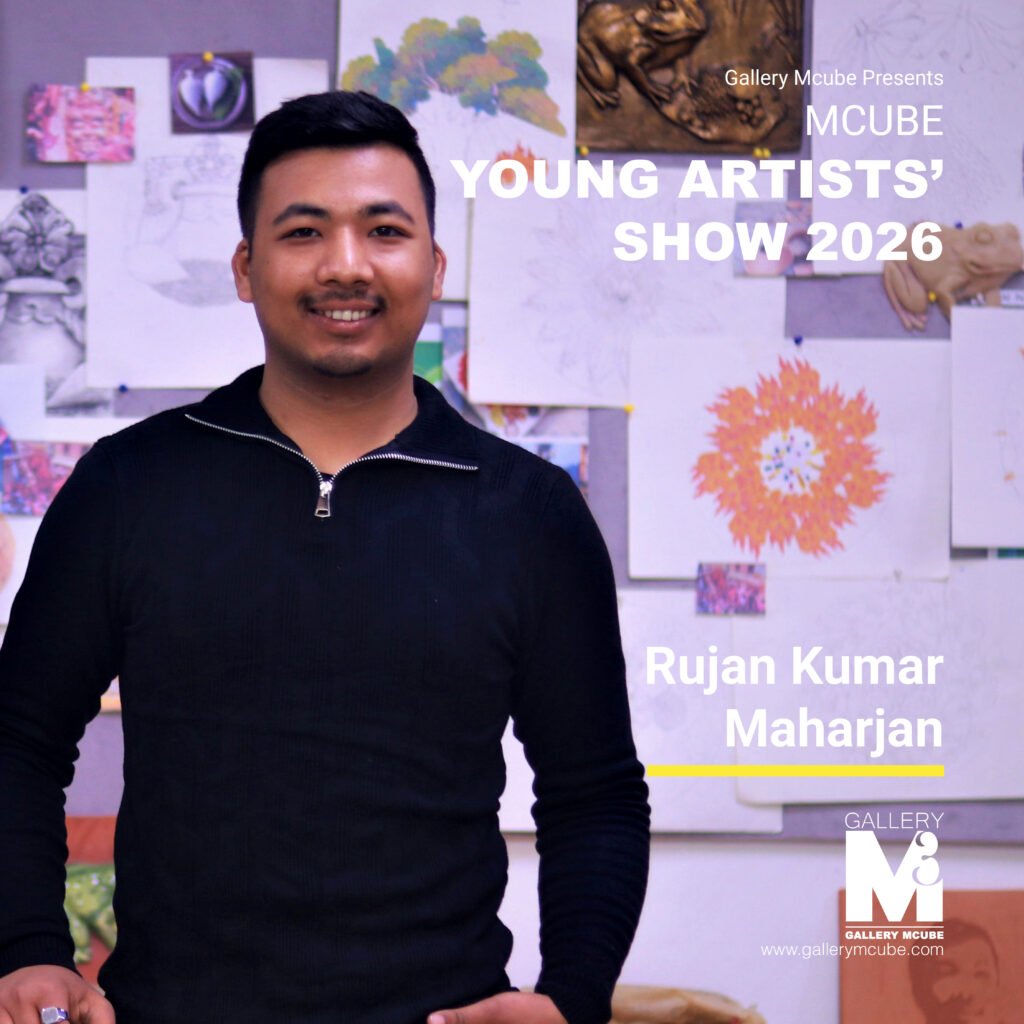
Rujan K. Maharjan

rujan
Based in Patan, Rujan’s artistic practice explores the intersection of Newari tradition and contemporary life. Drawing from personal memories and everyday observations, his work reflects on how cultural rituals, symbols, and objects continue to shape evolving ideas of identity and belonging in a rapidly changing urban environment. Currently pursuing a Bachelor’s degree at Kathmandu University School of Arts after completing his +2 in Fine Arts from Srijana College of Fine Arts, Rujan approaches tradition not as something fixed, but as a living and evolving system. Through his work, he examines the delicate balance between continuity and change, revealing both the resilience and vulnerability of cultural identity in the present day. We are pleased to welcome Rujan Kumar Maharjan to the Young Artists of 2026 exhibition and look forward to sharing his thoughtful artistic journey with our audience.

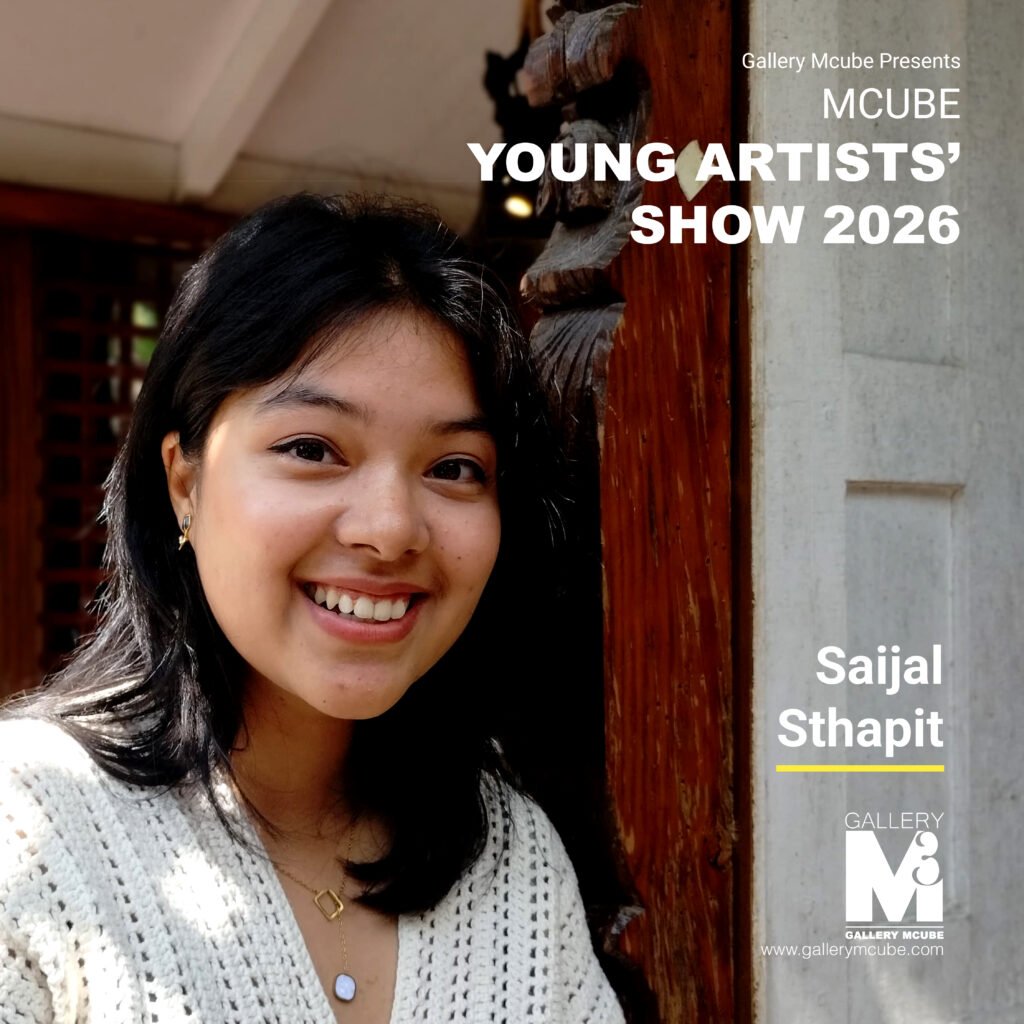
Saijal Sthapit

saijal sthapit
Based in Kathmandu, Saijal is a visual artist whose practice is rooted in painting and inspired by personal experiences and observations from everyday life. His work captures simple moments and emotions through expressive brushwork, vibrant colors, and richly textured surfaces. Working primarily with oil and acrylic, Saijal embraces an intuitive process, allowing the paint itself to guide the direction of each piece. His paintings often explore different angles and perspectives, creating dynamic compositions that invite viewers into his visual world. Through thick layers of paint and bold color relationships, he transforms ordinary experiences into engaging and expressive artworks. Alongside his studio practice, Saijal has contributed to murals, educational art programs, and commissioned projects, continuously expanding his engagement with art and community.

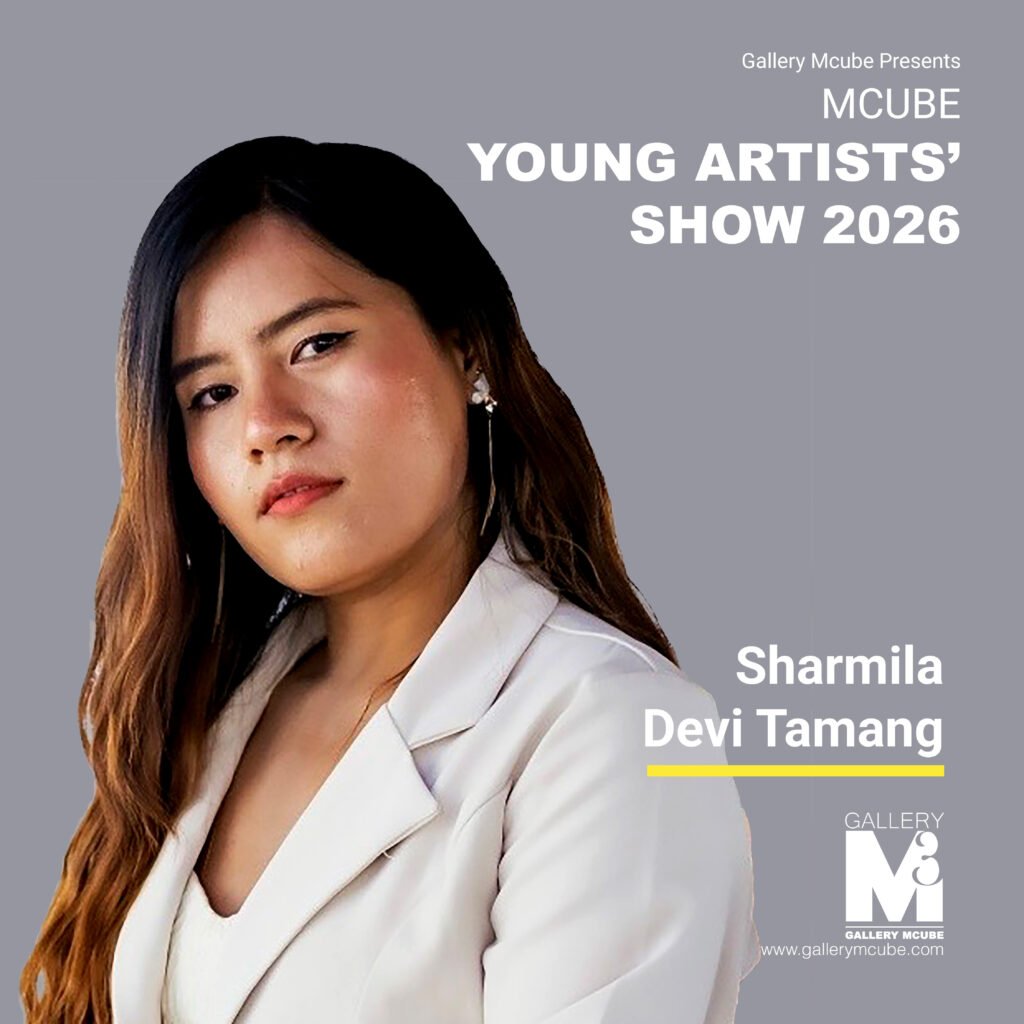
Sharmila Devi Tamang

sharmila
Born in Udayapur, Nepal (1996), Sharmila Devi Tamang is a visual artist whose practice reflects a deep engagement with contemporary artistic expression and cultural narratives. She holds a Bachelor of Fine Arts (BFA) from Sirjana College of Fine Arts, Kathmandu, and is currently pursuing a Master of Fine Arts (MFA) at Lalit Kala Campus, Tribhuvan University. Sharmila has actively contributed to the Nepali art scene through her participation in numerous national and international exhibitions, including Women’s Creative Energy (2022), Unity Thru Arts (2020), Art & Conflict (2020), the 6th International Art Festival (2020), and Harmony of Ink and Colour (2023). Expanding her artistic practice through residency programs, she was a residency artist at Classic Gallery (2024/25) and SpaceA (2025), where she continued to explore new ideas, mediums, and creative dialogues.

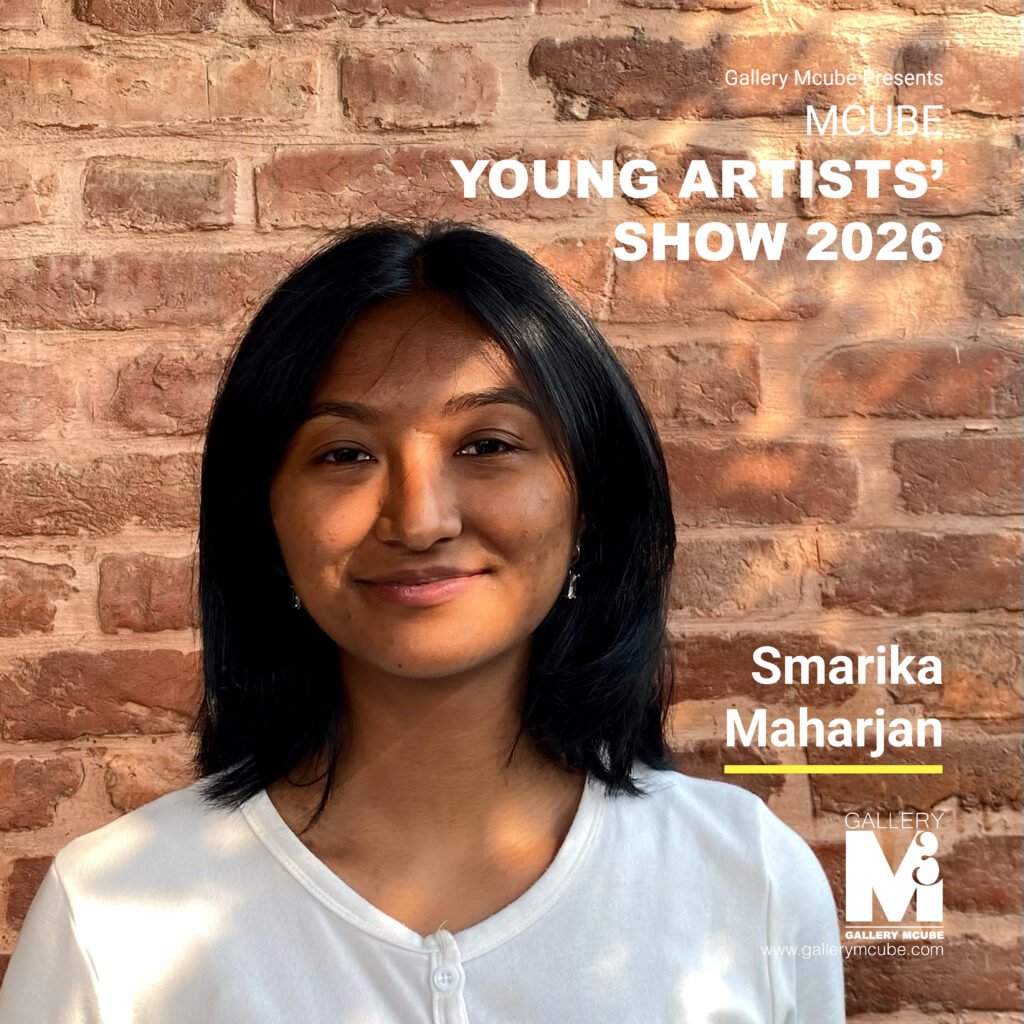
Smarika Maharjan

smarika
Based in Lalitpur, Nepal, Smarika Maharjan is a visual artist whose practice explores themes of identity, memory, and the passage of time. Drawing from personal experiences, cultural rituals, and everyday observations, she creates works that invite both personal and collective reflection. Repetition plays a central role in her artistic process, serving not only as a method of making but also as a way of expressing meaning. Through time-based and repetitive processes, her works gradually evolve, embodying the very ideas they seek to explore. Her practice remains open to a variety of mediums, allowing each concept to determine its most appropriate form of expression. Through thoughtful engagement with process and material, Smarika’s work encourages viewers to reflect on the traces of memory, the rhythms of daily life, and the subtle transformations that shape our experiences over time.

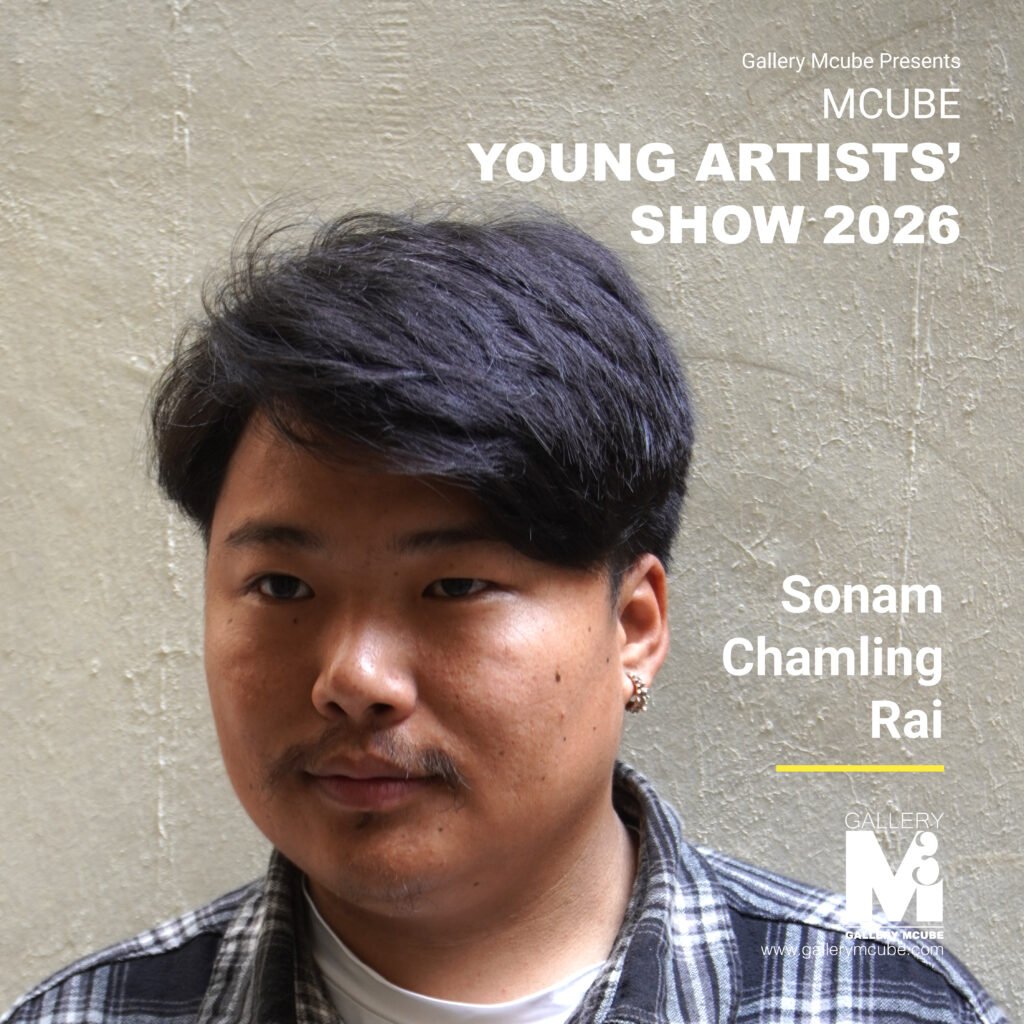
Sonam Chamling Rai

sonam
Sonam Chamling Rai is a Kathmandu-based visual artist whose multidisciplinary practice spans woodcut printmaking, painting, installation, performance, zines, and protest art. Originally from Naraha, Khotang, his work is shaped by personal experiences of displacement and a deep engagement with Indigenous histories, identities, and ways of knowing. Through his practice, Sonam explores the relationship between ancestral knowledge and contemporary realities, while critically examining the political and economic structures that shape Indigenous lives. As a member of the Indigenous art collective Yakthung Cho, he actively participates in artistic expressions of solidarity and resistance, using art as a platform for dialogue, reflection, and social engagement.

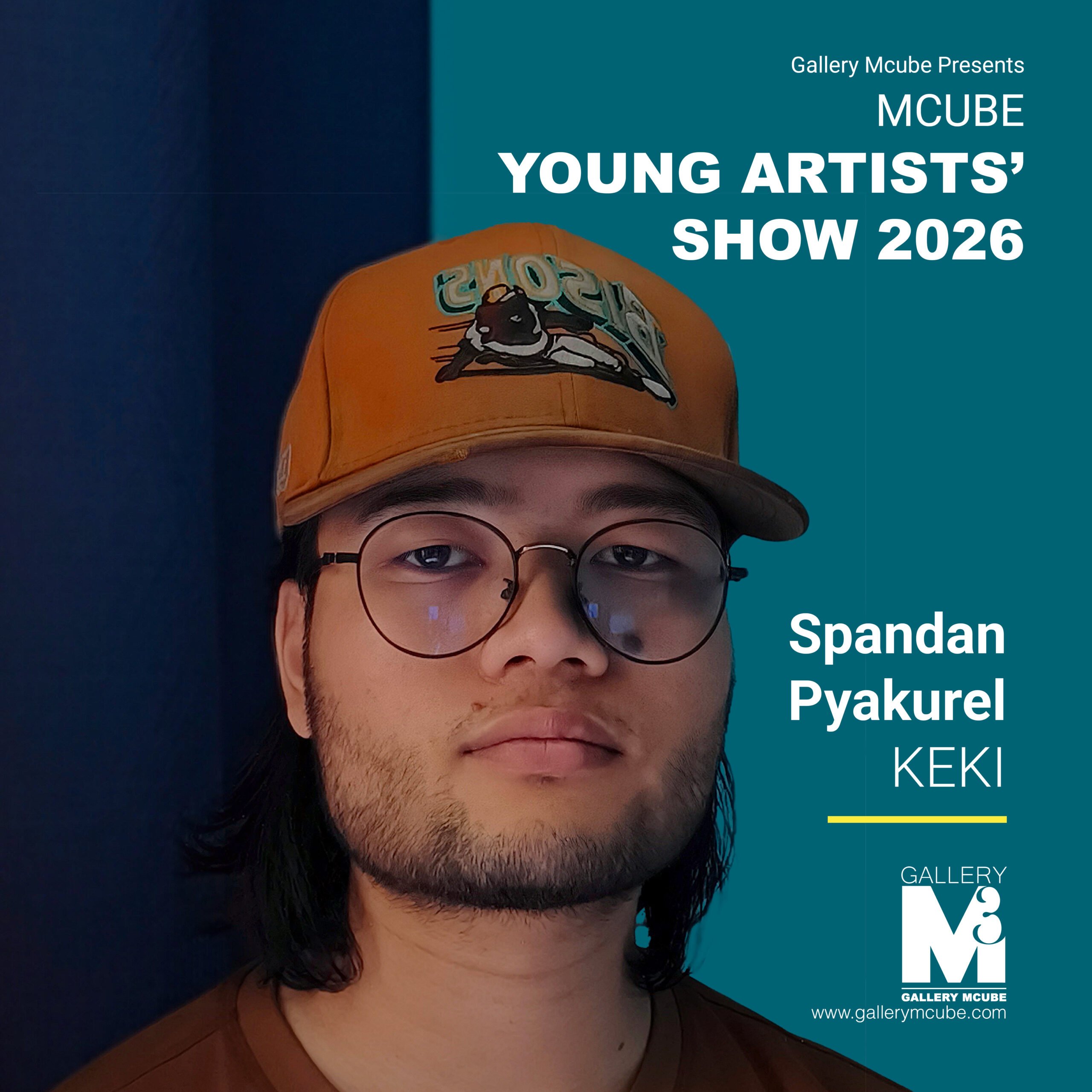
Spandan Pyakurel (KEKI)
Keki scaled

Spandan Pyakurel is a visual artist and illustrator whose practice explores the space between dreams, imagination, and reality. Working primarily with surreal pen-and-ink drawings and paintings, he creates intuitive compositions that emerge from subconscious thoughts, memories, fleeting dreams, and imagined worlds.
A graduate of the Bachelor of Fine Arts (BFA) program at Sirjana College of Fine Arts, Spandan embraces a spontaneous creative process, allowing forms, symbols, and narratives to unfold naturally as he works. His intricate drawings and expressive paintings reveal hidden layers of emotion and imagination, blurring the boundaries between the real and the fantastical.
Through his work, Spandan invites viewers into enigmatic visual landscapes where personal interpretation becomes part of the experience, transforming unseen inner visions into tangible artistic expressions.

placeholder v4